
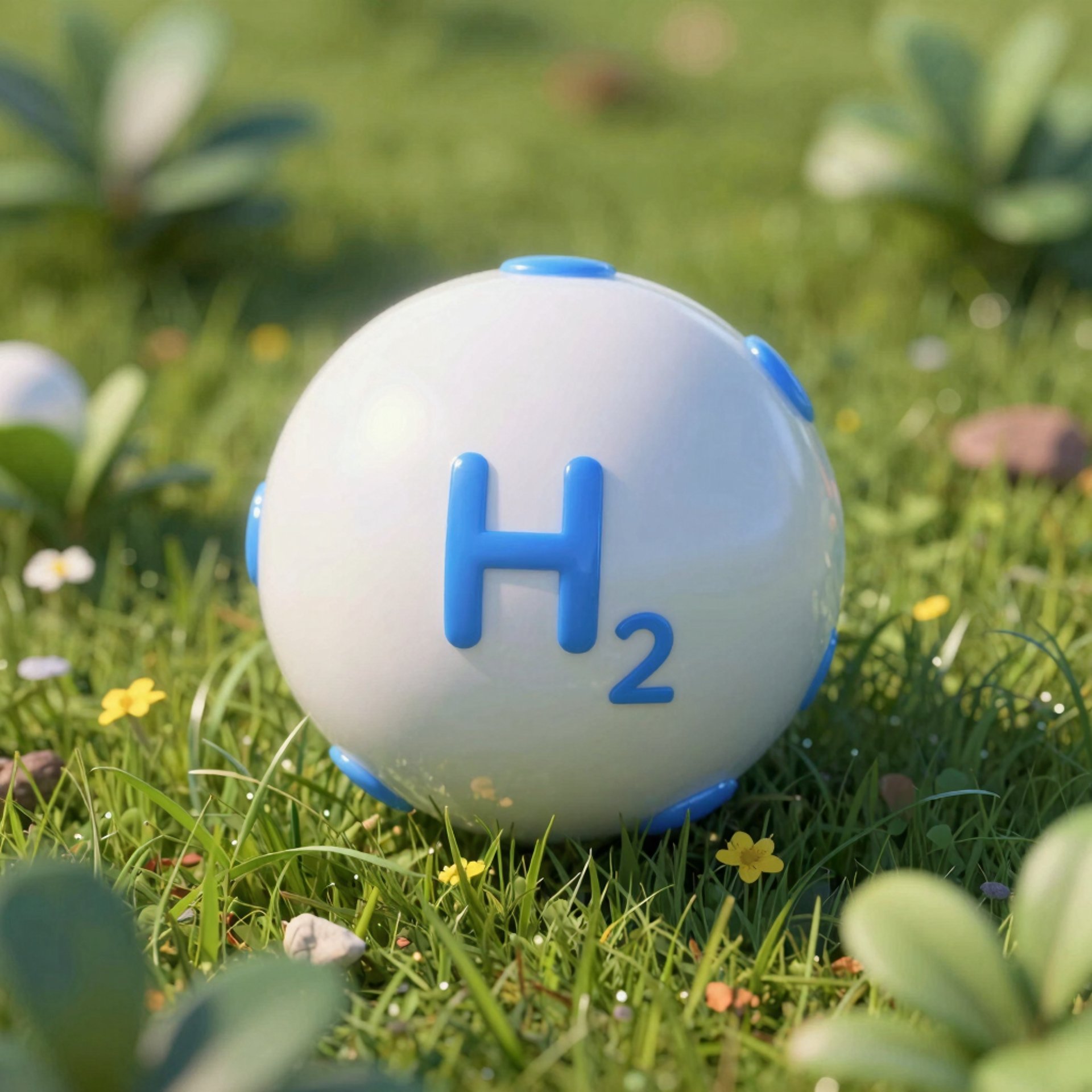
Green Hydrogen Production Cost Analysis Report 2026
The report offers an in-depth and data-driven assessment for setting up a Green Hydrogen production plant, covering every critical component required for strategic investment planning, feasibility analysis, and operational benchmarking. It provides comprehensive insights into Green Hydrogen production costs, Green Hydrogen plant setup costs, operating expenses, capital expenditure (CAPEX), utility consumption, and long-term profitability analysis. The study is designed for investors, project developers, EPC companies, renewable energy firms, procurement teams, consultants, and stakeholders seeking reliable Green Hydrogen cost modeling and techno-economic analysis.
Green Hydrogen, produced through the electrolysis of water using renewable energy sources such as solar, wind, and hydropower, is rapidly emerging as one of the most important pillars of the global clean energy transition. Unlike conventional hydrogen produced from fossil fuels, Green Hydrogen generates near-zero carbon emissions, making it a preferred solution for decarbonizing hard-to-abate industries including steel manufacturing, refining, chemicals, fertilizers, heavy transportation, shipping, aviation, and power generation. The increasing global emphasis on carbon neutrality and net-zero targets has significantly accelerated investments in Green Hydrogen infrastructure and production technologies.
The Green Hydrogen Production Cost Report provides a detailed breakdown of the complete manufacturing process, beginning from renewable electricity generation and water treatment to electrolysis, hydrogen purification, compression, storage, and transportation. The report evaluates major production technologies including Alkaline Electrolyzers, Proton Exchange Membrane (PEM) Electrolyzers, and Solid Oxide Electrolyzers (SOEC), along with their efficiency levels, energy requirements, operational performance, and cost competitiveness. It also includes a detailed assessment of electrolyzer stack costs, electricity consumption patterns, water requirements, catalyst materials, maintenance expenses, and system integration costs.
In addition, the study examines the major raw materials and utilities required for Green Hydrogen production, including demineralized water, renewable electricity, cooling systems, compressors, storage tanks, pipelines, and gas purification systems. It further analyzes infrastructure requirements such as renewable power integration, hydrogen refueling stations, storage terminals, transportation logistics, and distribution networks. The report also covers land requirements, plant engineering, environmental compliance, manpower requirements, automation systems, safety standards, and regulatory considerations essential for establishing a commercially viable Green Hydrogen facility.
One of the primary drivers supporting the growth of the Green Hydrogen market is the global shift toward sustainable and low-carbon energy systems. Governments across Europe, Asia-Pacific, the Middle East, and North America are launching large-scale hydrogen missions, subsidies, tax credits, and policy frameworks to accelerate Green Hydrogen adoption across industrial sectors. Countries such as China, India, Germany, Saudi Arabia, Australia, and the UAE are aggressively investing in electrolyzer manufacturing capacity and hydrogen infrastructure to strengthen their clean energy ecosystems.
The transportation sector is also emerging as a major consumer of Green Hydrogen, particularly in fuel cell electric vehicles (FCEVs), long-haul trucks, buses, trains, marine transport, and future aviation fuels. Hydrogen fuel cells offer high energy density, faster refueling, and extended driving range compared to conventional battery systems, making them highly suitable for heavy-duty and commercial applications. Simultaneously, industrial sectors such as green steel production, ammonia manufacturing, methanol production, and petroleum refining are increasingly replacing grey hydrogen with renewable hydrogen to reduce carbon emissions and comply with stringent sustainability regulations.
The report additionally highlights evolving market trends influencing Green Hydrogen economics, including declining renewable energy costs, advancements in electrolyzer efficiency, economies of scale in electrolyzer manufacturing, carbon pricing mechanisms, and the development of hydrogen trading hubs. The study also evaluates key market risks such as electricity price volatility, infrastructure limitations, storage challenges, policy uncertainty, water availability, and supply chain constraints related to critical materials like iridium and platinum used in advanced electrolyzer technologies.
Furthermore, the report provides a region-wise assessment of Green Hydrogen demand and investment opportunities across major economies. It analyzes industrial hydrogen consumption patterns, renewable energy availability, export potential, government incentives, and emerging hydrogen corridors that are shaping the future of the industry. The growing integration of Green Hydrogen with renewable energy projects, energy storage systems, and smart grid infrastructure is expected to create substantial long-term growth opportunities for project developers and investors worldwide.
This Green Hydrogen Production Cost Analysis Report serves as a strategic resource for businesses planning to enter the hydrogen economy by delivering accurate cost estimations, investment feasibility analysis, process benchmarking, and market intelligence. It helps stakeholders optimize production efficiency, minimize operational risks, improve procurement strategies, and identify profitable opportunities within the rapidly expanding Green Hydrogen value chain.
Starts From USD 2499
Raw Materials Required for Green Hydrogen Production
Contact Us Now!
According to the comprehensive Green Hydrogen production plant cost report, the primary raw materials required for Green Hydrogen manufacturing include purified water and renewable electricity. These two inputs play a decisive role in determining the overall economics, operational efficiency, and sustainability of a Green Hydrogen production facility. Since electricity consumption accounts for a major share of the total production cost, access to low-cost renewable energy sources such as solar power, wind energy, hydroelectric energy, and hybrid renewable systems is considered one of the most critical factors influencing Green Hydrogen project feasibility.
Water used in the electrolysis process generally undergoes purification and demineralization before entering the electrolyzer system. High-purity water is essential to maintain electrolyzer efficiency, reduce operational downtime, and prevent corrosion or scaling within the system. In large-scale Green Hydrogen plants, advanced water treatment systems such as reverse osmosis (RO), deionization, and filtration technologies are commonly integrated to ensure process stability and long-term operational reliability.
Renewable electricity serves as the main energy source for splitting water molecules into hydrogen and oxygen. The cost, availability, and consistency of renewable power significantly impact Green Hydrogen production costs. As renewable energy prices continue to decline globally, particularly in solar- and wind-rich regions, the commercial viability of Green Hydrogen projects is improving rapidly. In addition to electricity and water, several auxiliary materials and industrial components are also required, including catalysts, electrolyzer membranes, cooling systems, compressors, storage cylinders, transformers, power electronics, and gas purification units.
The report further evaluates raw material sourcing strategies, utility consumption patterns, energy optimization opportunities, and supply chain considerations associated with Green Hydrogen manufacturing. It also analyzes fluctuations in renewable electricity pricing, water availability challenges, grid integration costs, and regional infrastructure development that may influence long-term production economics and procurement planning.
Production Process of Green Hydrogen
The extensive Green Hydrogen production cost analysis report provides a detailed assessment of the complete industrial manufacturing process used for commercial Green Hydrogen generation. The report primarily focuses on hydrogen production through water electrolysis, which is currently considered the most sustainable and environmentally friendly method for producing hydrogen fuel.
Green Hydrogen Production via Electrolysis
Green Hydrogen is produced by splitting water (H₂O) into hydrogen (H₂) and oxygen (O₂) using an electrolyzer system powered entirely by renewable energy sources. During the electrolysis process, an electric current passes through purified water inside the electrolyzer unit. This causes water molecules to separate into hydrogen gas at the cathode and oxygen gas at the anode.
The renewable electricity utilized in this process is generally generated through solar photovoltaic systems, wind farms, hydroelectric plants, or integrated renewable energy parks. Since no fossil fuels are involved during production, Green Hydrogen is regarded as a near-zero-carbon energy carrier that supports global decarbonization initiatives and clean energy targets.
The production process typically consists of multiple stages, including water treatment, electrolysis, gas separation, hydrogen purification, compression, storage, and transportation. After electrolysis, the generated hydrogen gas undergoes purification and drying processes to remove moisture and impurities before being compressed for storage or distribution. The oxygen generated as a by-product can also be commercially utilized in industries such as healthcare, wastewater treatment, chemicals, and metal processing, thereby improving overall project economics.
Several advanced electrolyzer technologies are currently being deployed across the industry, including:
Alkaline Electrolyzers (AEL)
Proton Exchange Membrane (PEM) Electrolyzers
Solid Oxide Electrolyzers (SOEC)
Among these, PEM electrolyzers are gaining significant traction due to their higher efficiency, compact design, faster response times, and compatibility with intermittent renewable energy sources such as solar and wind power.
The report additionally examines critical process parameters such as energy efficiency, operating pressure, stack lifespan, electrolyzer degradation rates, hydrogen purity levels, system automation, and plant scalability. It also evaluates the impact of electricity load factors, renewable power intermittency, and storage integration on the overall cost structure of Green Hydrogen production.
Properties and Industrial Significance of Green Hydrogen
Green Hydrogen exists as a diatomic molecule (H₂) and appears as a colorless, odorless, non-toxic, and tasteless gas under standard temperature and pressure conditions. It possesses one of the highest energy contents among commercially available fuels, with an energy density of approximately 120 MJ/kg by mass, making it highly attractive for energy-intensive industrial applications and heavy transportation systems.
Despite its high gravimetric energy density, hydrogen has a very low volumetric density, which creates challenges in storage and transportation. As a result, hydrogen is commonly stored in compressed gas cylinders, liquefied storage systems, underground caverns, or converted into hydrogen carriers such as ammonia and methanol for easier transport and distribution.
Green Hydrogen is highly reactive and combines with oxygen during combustion or fuel cell operation to generate water as the only by-product, making it a completely clean and emission-free energy source.
Its ability to be converted into electricity, synthetic fuels, green ammonia, and industrial feedstocks makes Green Hydrogen a versatile solution for multiple sectors including power generation, refining, fertilizer production, steel manufacturing, aviation, shipping, mobility, and grid-scale energy storage.
The increasing adoption of Green Hydrogen is being supported by strong government incentives, carbon neutrality targets, declining renewable energy costs, and large-scale investments in hydrogen infrastructure globally. The emergence of hydrogen hubs, cross-border hydrogen trade corridors, and integrated renewable-hydrogen projects is further expected to accelerate market growth over the coming decade.
This Green Hydrogen production cost and process analysis report serves as a strategic business resource for investors, EPC contractors, technology providers, procurement teams, consultants, and manufacturers seeking accurate cost benchmarking, process optimization insights, investment feasibility evaluation, and long-term market intelligence for Green Hydrogen projects.
✅ Raw Material Cost
✅ Co-product Credit
✅ Labour/Manpower Cost
✅ Overhead Expenses
✅ Utilities (Electricity, Water, Fuel) Cost
✅ Capital Investment (Machinery, Installation & Land Cost)
✅ Finance Cost
✅ Selling, General & Administrative (SG&A) Cost
✅ Depreciation & Amortization
✅ Tax & Insurance
✅ Packaging Cost
✅ Transportation Cost (if required)
Key Components of Green Hydrogen Production Cost Analysis Report
To obtain a detailed and comprehensive Green Hydrogen Production Cost Analysis Report, please fill out the contact form below and connect with our industry analysts. We also offer in-depth Green Hydrogen Market Research Reports, price trend analysis, and long-term market forecasting reports tailored to your business requirements.
Management Consulting
© 2026 StratVista Global Consulting. All rights reserved.
Navigating Success with Strategy & Vision
Subscribe to Our Newsletter
Get updated with the latest commodity prices and trends


StratVista
Global
Consulting